What is Digital Marketing?
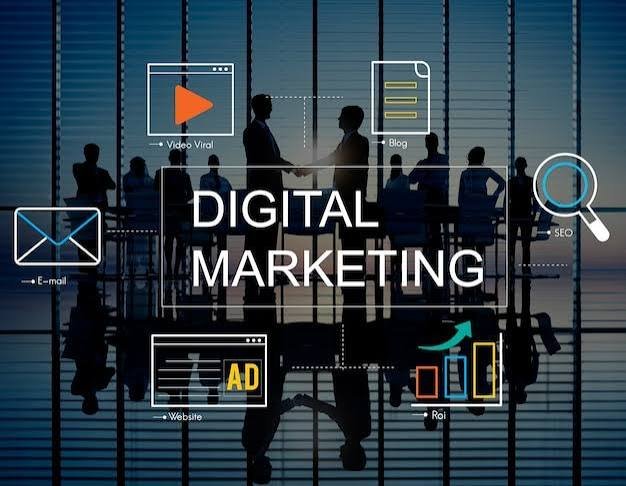
Digital marketing is the process of promoting products, services, or brands through digital channels such as search engines, social media platforms, websites, email, and mobile applications. Unlike traditional marketing, digital marketing enables businesses to connect with their target audience in real time, measure campaign performance, and optimize strategies based on data.
Today, nearly every business—from startups to multinational corporations—relies on digital marketing to increase brand awareness, generate leads, improve customer engagement, and drive sales. As consumers spend more time online, businesses that invest in digital marketing gain a competitive advantage in reaching potential customers where they are most active.
Why is Digital Marketing Important?
The digital world has transformed how people discover, research, and purchase products. Customers often search online before making buying decisions, making digital marketing an essential business strategy.
Key Benefits of Digital Marketing
1. Global Reach
Businesses can reach customers worldwide without opening physical stores. A website or online store enables companies to sell products across different regions and countries.
2. Cost-Effective Marketing
Compared to television, radio, or newspaper advertising, digital marketing offers affordable solutions for businesses of all sizes. Small businesses can compete with larger brands through smart online strategies.
3. Measurable Results
One of the biggest advantages of digital marketing is analytics. Businesses can monitor website traffic, conversions, click-through rates, customer behavior, and return on investment (ROI).
4. Targeted Advertising
Digital marketing allows businesses to target audiences based on factors such as age, gender, location, interests, buying behavior, and device usage. This precision improves marketing efficiency and reduces wasted advertising spend.
5. Better Customer Engagement
Businesses can communicate directly with customers through social media, email campaigns, chatbots, and live support, building stronger relationships and improving customer satisfaction.
Major Types of Digital Marketing
1. Search Engine Optimization (SEO)
SEO is the process of improving a website’s visibility on search engines like Google. Higher rankings increase organic traffic without paying for advertisements.
On-Page SEO
On-page SEO includes keyword optimization, high-quality content, meta titles, meta descriptions, internal linking, and image optimization.
Off-Page SEO
Off-page SEO focuses on backlink building, guest posting, brand mentions, and social sharing to improve website authority.
Technical SEO
Technical SEO includes website speed optimization, mobile responsiveness, secure HTTPS, XML sitemaps, and structured data implementation.
A strong SEO strategy helps businesses attract long-term organic traffic and establish authority within their industry.
2. Content Marketing
Content marketing focuses on creating valuable, informative, and engaging content that attracts and retains customers.
Popular content formats include blog articles, videos, infographics, eBooks, podcasts, case studies, and whitepapers.
Quality content helps educate customers, solve problems, build trust, and support SEO efforts.
3. Social Media Marketing (SMM)
Social media marketing uses platforms like Facebook, Instagram, LinkedIn, X (formerly Twitter), Pinterest, and YouTube to promote products and engage audiences.
Its benefits include increased brand awareness, stronger customer interaction, community building, lead generation, website traffic, and customer support.
4. Pay-Per-Click (PPC) Advertising
PPC is a paid advertising model where businesses pay only when users click on their ads.
Popular PPC platforms include Google Ads, Microsoft Ads, Facebook Ads, Instagram Ads, and LinkedIn Ads.
Advantages include instant traffic, highly targeted audiences, flexible budgeting, fast lead generation, and detailed performance tracking.
5. Email Marketing
Email marketing remains one of the highest-return digital marketing channels.
Businesses use email campaigns to welcome new customers, send newsletters, promote products, share discounts, recover abandoned carts, and build long-term customer loyalty.
Personalized email campaigns significantly improve engagement and conversion rates.
6. Affiliate Marketing
Affiliate marketing involves partnering with individuals or websites that promote products in exchange for a commission on each successful sale or lead.
It offers performance-based payments, wider audience reach, lower marketing risk, and increased brand exposure.
7. Influencer Marketing
Influencer marketing involves collaborating with creators who have loyal audiences across platforms such as Instagram, YouTube, and TikTok.
Influencers help businesses build credibility, reach niche audiences, increase product awareness, and drive sales through authentic recommendations.
Essential Digital Marketing Channels
Successful digital marketing often combines multiple channels, including search engines, company websites, social media, email, mobile applications, online marketplaces, video platforms, and messaging applications.
Using several channels together creates a stronger customer journey and improves marketing performance.
Building an Effective Digital Marketing Strategy
Step 1: Define Goals
Examples include increasing website traffic, generating qualified leads, improving sales, growing social media followers, and increasing brand awareness. Goals should always be measurable and time-bound.
Step 2: Understand Your Audience
Research your ideal customers by analyzing demographics, interests, online behavior, purchasing habits, and pain points. Customer personas help create targeted marketing campaigns.
Step 3: Conduct Keyword Research
Keyword research identifies what users search for online.
Focus on primary keywords, long-tail keywords, local keywords, question-based keywords, and low-competition keywords. Good keyword research improves both SEO and paid advertising performance.
Step 4: Create High-Quality Content
Content should solve customer problems, answer common questions, provide valuable insights, remain original, include relevant keywords naturally, and encourage action.
Consistency is more important than publishing large amounts of low-quality content.
Step 5: Optimize for Mobile
Most internet users browse on smartphones. Mobile optimization includes responsive design, fast loading speed, easy navigation, readable fonts, and clickable buttons.
A mobile-friendly website improves user experience and search rankings.
Step 6: Measure Performance
Track important metrics such as website visitors, organic traffic, bounce rate, conversion rate, click-through rate (CTR), cost per acquisition (CPA), customer lifetime value (CLV), and return on investment (ROI).
Regular analysis helps improve future campaigns.
Popular Digital Marketing Tools
Professionals use various tools to simplify marketing tasks.
SEO Tools
Google Search Console, Google Keyword Planner, Ahrefs, SEMrush, and Moz.
Analytics Tools
Google Analytics, Looker Studio, and Hotjar.
Social Media Tools
Buffer, Hootsuite, and Later.
Email Marketing Tools
Mailchimp, Brevo, and ConvertKit.
Design Tools
Canva, Adobe Express, and Figma.
These tools improve productivity and provide valuable insights into campaign performance.
Common Digital Marketing Mistakes
Avoid these mistakes to improve marketing success:
Ignoring SEO, publishing low-quality content, not understanding the target audience, inconsistent branding, slow website speed, poor mobile experience, ignoring analytics, overusing keywords (keyword stuffing), weak calls-to-action, and neglecting customer feedback.
Learning from these mistakes helps businesses build stronger digital marketing campaigns.
Future Trends in Digital Marketing
Digital marketing continues to evolve with technology.
Artificial Intelligence (AI)
AI powers content creation, customer support, personalization, and predictive analytics.
Voice Search Optimization
More users are searching through voice assistants, making conversational content increasingly important.
Video Marketing
Short-form and live video content continue to drive high engagement across social platforms.
Personalization
Customers expect personalized experiences based on their interests and behavior.
Automation
Marketing automation helps businesses nurture leads, schedule campaigns, and improve efficiency.
Privacy-Focused Marketing
Businesses are adapting to changing privacy regulations while maintaining customer trust through transparent data practices.
Best Practices for Digital Marketing Success
To achieve long-term success, understand your audience, create valuable and original content, invest in SEO, use multiple marketing channels, build an email list, stay active on social media, monitor analytics regularly, test and optimize campaigns, keep learning about industry trends, and focus on delivering value to customers rather than only selling products.
Conclusion
Digital marketing has become one of the most effective ways for businesses to grow in today’s connected world. By combining strategies such as SEO, content marketing, social media marketing, email campaigns, and paid advertising, businesses can reach the right audience, build lasting customer relationships, and achieve measurable results.Digital Marketing